
 Mon-Fri:
09:00am - 5:00pm
Mon-Fri:
09:00am - 5:00pm


The difference between 3D and 4D plates
Personalised number plates have become increasingly popular in recent years, giving vehicle owners a unique way to showcase their individuality and style. Among the top choices are 3D and 4D number plates.
These plates add a distinctive touch to a vehicle and introduce a modern and stylish flair. But what’s the difference between 3D and 4D number plates?
This article will explore the differences between 3D and 4D number plates, focusing on their materials, manufacturing techniques, aesthetic differences, legal considerations, and tips on choosing the right plate for your vehicle.
What are 3D number plates?
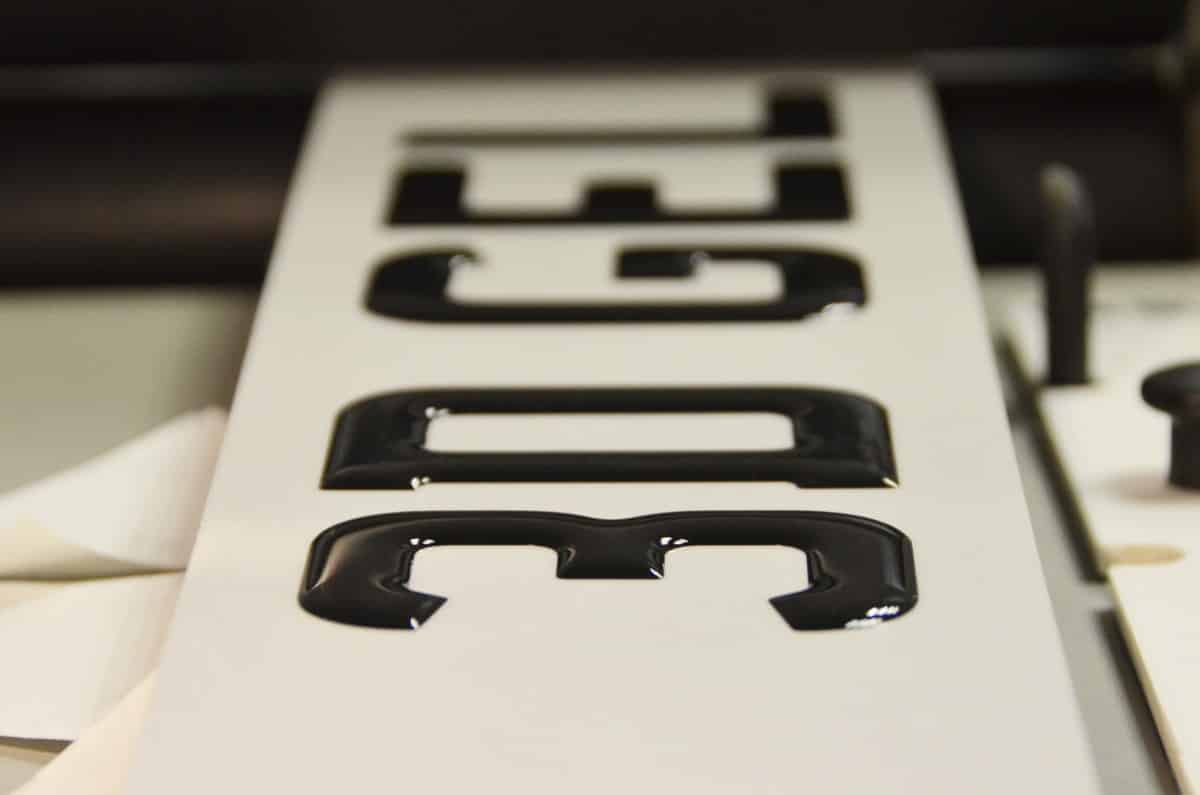
3D number plates are popular among vehicle owners who want to add a sophisticated and sleek look to their cars. These plates are created using a gel resin, creating a raised, glossy effect on the characters.
The process involves applying a polyurethane resin to the characters, resulting in a rounded, bubble-like appearance. This gives the characters a smooth and polished finish, contributing to the three-dimensional look.
The characters on 3D plates appear to float above the surface of the plate, providing a subtle yet distinctive appearance. This number plate style has become increasingly popular due to its stylish look and improved readability of the characters.
The gel resin’s reflective nature ensures that the characters catch the light, making them stand out both during the day and at night.
What are 4D number plates?
4D number plates take the concept of 3D plates a step further by offering a more defined and angular appearance. Unlike 3D plates, 4D plates are made using laser-cut acrylic characters.
These characters are flat but prominently raised from the surface of the plate. The laser-cutting process ensures precise, sharp edges, giving the characters a more striking and bold look.
The characters on 4D plates are typically thicker than those on 3D plates, which adds to their prominence and visual impact. The angular design of the characters on 4D plates makes them stand out more distinctly, giving the vehicle a modern and high-tech feel.
This distinctive appearance has made 4D plates popular with those who want to make a strong visual statement with their number plate.
Understanding the key differences between 3D and 4D number plates
When considering 3D vs 4D number plates, it is essential to understand the primary differences between the two.
While both types offer a unique and stylish look, the key differences lie in their materials, manufacturing techniques, and overall design.
Material
One of the main differences between 3D and 4D number plates is the material used for the characters.
- 3D plates: The characters on 3D plates are made using a gel resin. This resin is applied to create a raised, glossy effect that gives the characters a rounded, bubble-like appearance.
- 4D plates: In contrast, the characters on 4D plates are made from acrylic. These acrylic characters are laser-cut to ensure precision and have a flat but prominently raised design.
Manufacturing techniques
The manufacturing techniques for 3D and 4D number plates also differ significantly.
- 3D plates: Creating 3D plates involves applying polyurethane gel resin to the characters. This resin is then cured to achieve a glossy, three-dimensional effect. The process requires careful application to ensure the characters are evenly raised and have a smooth finish.
- 4D plates: The manufacturing of 4D plates involves laser-cutting acrylic characters. The laser-cutting process allows for precise and sharp edges, creating a more defined and angular look. The acrylic characters are then affixed to the plate, ensuring they are securely attached and prominently raised.
Aesthetic and design differences
The aesthetic and design differences between 3D and 4D plates are among the most noticeable aspects when comparing the two.
- 3D plates: The characters on 3D plates have a smooth, rounded appearance due to the gel resin. This creates a subtle and sleek look that is both stylish and elegant. The resin’s glossy finish improves the characters’ visibility, making them stand out in various lighting conditions.
- 4D plates: On the other hand, 4D plates feature characters with a more angular and bold design. The laser-cut acrylic characters have sharp edges and a thicker profile, giving the plate a more modern and high-tech appearance. The defined look of 4D plates makes them more visually striking and attention-grabbing.
Legal considerations for 3D and 4D plates
When choosing between 3D and 4D number plates, it is crucial to consider the legal regulations governing their use. In the UK, number plates must adhere to specific standards to ensure they are road-legal. These standards are set out by the Driver and Vehicle Licensing Agency (DVLA) and include font, size, spacing, and reflectivity requirements.
3D and 4D plates can be legal if they comply with DVLA regulations. The characters on the plates must be in the correct font and size, with appropriate spacing between them. Additionally, the plates must be reflective to ensure they are visible in low-light conditions. Purchasing 3D and 4D plates from reputable suppliers who guarantee their products meet DVLA standards is essential.
With our number plate builder, you can select the “legal” option to design your 3D or 4D plate, ensuring it meets all legal requirements.
How to choose the right plate for your vehicle
Selecting the right number plate for your vehicle involves considering several factors, including personal preference, the look you want to achieve, and legal requirements. Here are some tips to help you make an informed decision:
- Consider the overall look: Consider the style you want to achieve for your vehicle. If you prefer a sleek and elegant appearance, 3D plates with glossy, rounded characters might be the best choice. 4D plates with their defined and angular characters could be more suitable for a more modern and bold look.
- Check legal requirements: Ensure the number plates you choose comply with DVLA regulations. 3D and 4D plates can be legal if they meet the necessary standards, so purchasing from reputable suppliers who provide compliant products is vital.
- Think about visibility: Consider the characters’ visibility in different lighting conditions. The glossy finish of 3D plates improves readability, while the defined edges of 4D plates make the characters more striking. Choose the option that offers the best visibility for your needs.
- Budget:Determine your budget for number plates. While the prices of 3D and 4D plates can vary, 4D plates may be slightly more expensive due to the laser-cutting process. Weigh the cost against the desired look and durability of the plates.
- Personal preference: Ultimately, the choice between 3D and 4D plates comes down to personal preference. Consider which style you find more appealing and which best matches the overall look of your vehicle.
Understanding the difference between 3D and 4D number plates is essential when choosing the right option for your vehicle. Both types offer unique and stylish appearances, with 3D plates providing a sleek, glossy look and 4D plates offering a bold, modern design.
By considering factors such as material, manufacturing techniques, aesthetic differences, legal requirements, and personal preference, you can make an informed decision and find the perfect number plate to improve your vehicle’s appearance.
Ready to improve your vehicle’s look? Explore our range of 3D and 4D plates at Number1Plates and create a custom plate that meets all legal requirements while showcasing your personal style.