
 Mon-Fri:
09:00am - 5:00pm
Mon-Fri:
09:00am - 5:00pm


E10 Fuel - What is it and How Will it Impact You?
The implementation of E10 fuel as the standard grade at fuel stations nationwide is
progressing steadily. But what exactly is E10 fuel, and what implications does its introduction have for drivers
in the UK? Let's delve into the details.
Current petrol variants in the UK typically contain up to 5% bioethanol, known as E5. E10 fuel, on the other
hand, amplifies the proportion of renewable energy derived from crops to 10%.
It's projected that the adoption of this greener fuel could curtail CO2 emissions by a staggering 750,000 tonnes
annually, equivalent to removing up to 350,000 cars from the road.
However, it's worth noting that an estimated 600,000 vehicles currently in circulation may not be compatible
with E10 fuel, posing a significant challenge.
Let's examine the advantages and disadvantages of embracing this new fuel as a solution to the pressing issue of
increasing emissions.
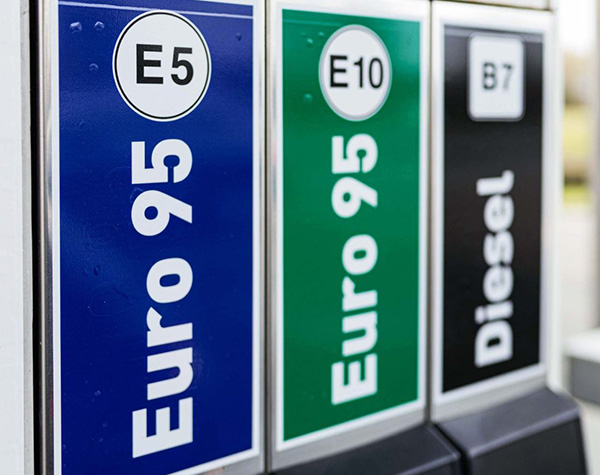
E10 fuel, a biofuel blend consisting of 90% regular unleaded petrol and 10% ethanol, earns its name from this composition. While standard unleaded petrol commonly contains up to 5% ethanol, it seamlessly accommodates petrol-engined vehicles without requiring any adjustments. However, the introduction of E10 fuel introduces a more intricate dynamic. This complexity has contributed to its delayed implementation in the UK, distinguishing it from other European nations where its adoption has been more expeditious. The nuanced nature of E10 fuel stems from its higher ethanol concentration, which necessitates careful consideration of its compatibility with existing vehicle fleets. This heightened ethanol content presents both opportunities and challenges, underscoring the importance of thorough assessment and informed decision-making. As stakeholders nexplore the transition to E10 fuel, it's essential to address concerns surrounding vehicle compatibility, fuel efficiency, and environmental impact. By encouraging dialogue and collaboration, stakeholders can make the switch, ensuring a smooth and successful integration of E10 fuel into the UK's energy industry.
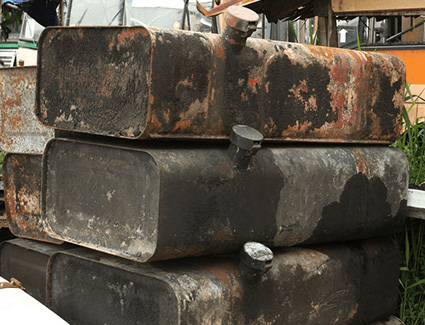
It's prudent for drivers to reach out to their vehicle manufacturers for guidance tailored to their specific models. For instance, Vauxhall states that "E10 fuel is compatible with all petrol-engine Vauxhall vehicles except those equipped with the 2.2-litre direct-injection petrol engine (code Z22YH) utilised in Vectra, Signum, and Zafira models." As a general rule, owners of vehicles registered before 2002 are advised against using E10 fuel, given reported issues. Additionally, since 2011, all new vehicles sold in the UK must be E10 compatible. Using E10 fuel in an incompatible vehicle may result in operational challenges over time, potentially damaging seals, plastics, and metals due to the corrosive properties of bioethanol. Furthermore, ethanol's hygroscopic nature, characterised by water absorption from the atmosphere, may lead to fuel tank condensation during prolonged periods of inactivity.
Exploring E10 Fuel
E10 fuel, a biofuel blend consisting of 90% regular unleaded petrol and 10% ethanol, earns its name from this composition. While standard unleaded petrol commonly contains up to 5% ethanol, it seamlessly accommodates petrol-engined vehicles without requiring any adjustments. However, the introduction of E10 fuel introduces a more intricate dynamic. This complexity has contributed to its delayed implementation in the UK, distinguishing it from other European nations where its adoption has been more expeditious. The nuanced nature of E10 fuel stems from its higher ethanol concentration, which necessitates careful consideration of its compatibility with existing vehicle fleets. This heightened ethanol content presents both opportunities and challenges, underscoring the importance of thorough assessment and informed decision-making. As stakeholders nexplore the transition to E10 fuel, it's essential to address concerns surrounding vehicle compatibility, fuel efficiency, and environmental impact. By encouraging dialogue and collaboration, stakeholders can make the switch, ensuring a smooth and successful integration of E10 fuel into the UK's energy industry.
Understanding Ethanol
Ethanol, the fundamental constituent of E10 fuel, serves as an alcohol-based fuel sourced from the fermentation process of diverse crops, ranging from sugarcane to grains, alongside their respective by-products. This versatile biofuel distinguishes itself from traditional unleaded petrol by its composition and purported environmental attributes. Ethanol fuel is lauded for its partial carbon neutrality, attributed to the carbon dioxide absorption by the crops designated for biofuel production during their growth phase. This absorption purportedly offsets the emissions generated throughout the fuel's production and combustion lifecycle. However, the precise magnitude of this offset remains a point of contention within environmental discourse. As stakeholders evaluate the viability and implications of E10 fuel adoption, understanding the intricacies of ethanol production and its environmental impact is paramount.Compatibility and Concerns
Contrary to popular belief, not all vehicles can seamlessly accommodate E10 fuel. An estimated 600,000 vehicles currently in circulation may not be compatible with this fuel variant. To ascertain compatibility, drivers are advised to consult the official E10 online checker for verification.
It's prudent for drivers to reach out to their vehicle manufacturers for guidance tailored to their specific models. For instance, Vauxhall states that "E10 fuel is compatible with all petrol-engine Vauxhall vehicles except those equipped with the 2.2-litre direct-injection petrol engine (code Z22YH) utilised in Vectra, Signum, and Zafira models." As a general rule, owners of vehicles registered before 2002 are advised against using E10 fuel, given reported issues. Additionally, since 2011, all new vehicles sold in the UK must be E10 compatible. Using E10 fuel in an incompatible vehicle may result in operational challenges over time, potentially damaging seals, plastics, and metals due to the corrosive properties of bioethanol. Furthermore, ethanol's hygroscopic nature, characterised by water absorption from the atmosphere, may lead to fuel tank condensation during prolonged periods of inactivity.